

Hey there! As a supplier of wear-resistant liner boards, I often get asked about the oil resistance of these boards. So, I thought I'd take a few minutes to chat about it and clear up any confusion.
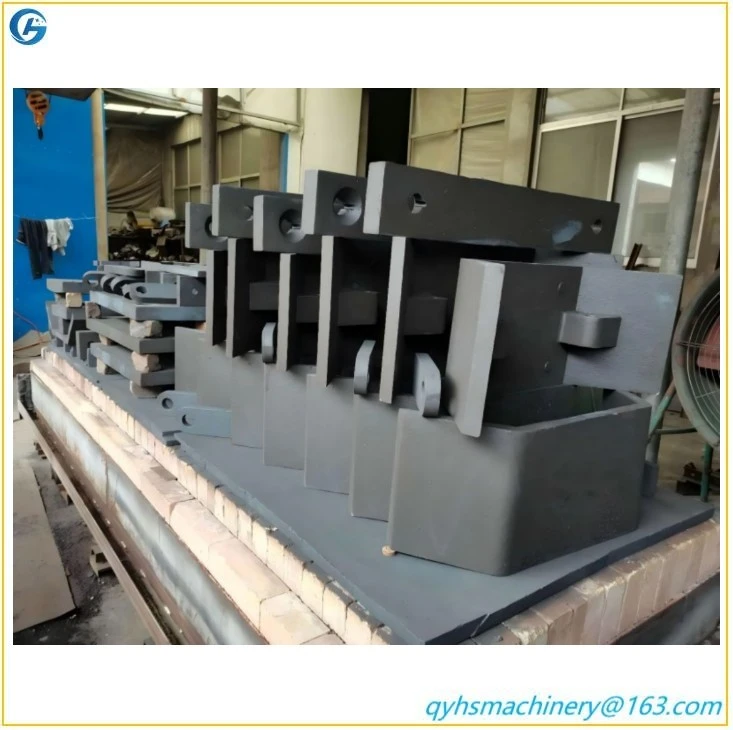

First off, let's talk about what wear-resistant liner boards are. These are basically protective plates that are installed in various industrial equipment to prevent wear and tear. They're commonly used in places like coal mills, ball mills, and other heavy-duty machinery. The idea is to extend the lifespan of the equipment by taking the brunt of the abrasion and impact.
Now, when it comes to oil resistance, it's an important factor, especially in industries where the equipment comes into contact with oil or lubricants. Oil can have a significant impact on the performance and durability of the liner boards. If a liner board isn't oil-resistant, the oil can seep into the material, causing it to swell, soften, or even degrade over time. This can lead to a decrease in its wear resistance and ultimately, a shorter lifespan.
So, what makes a wear-resistant liner board oil-resistant? Well, it all comes down to the materials and the manufacturing process. Some of the common materials used in wear-resistant liner boards include high chrome cast iron, high manganese steel, and various types of ceramics. Each of these materials has different properties when it comes to oil resistance.
High chrome cast iron is a popular choice for wear-resistant liner boards, especially in coal mills. It has excellent wear resistance and can also offer good oil resistance if it's properly treated. The Coal Mill High Chrome Cast Iron Wear-resistant KMTBCr26 Lining Plate is a great example of a product that combines high wear resistance with decent oil resistance. The high chrome content in the cast iron forms a hard carbide phase, which not only provides excellent wear protection but also makes the material more resistant to the effects of oil.
High manganese steel is another material that's often used in wear-resistant liner boards. It's known for its high toughness and work-hardening ability. While it may not have the same level of oil resistance as high chrome cast iron out of the box, proper surface treatments can improve its performance in oil-rich environments. The The Inner Lining Plate, Flower Plate, Partition Plate And High Manganese Steel Guard Plate Of The Ball Mill is a product that showcases the versatility of high manganese steel in wear protection applications.
Ceramics, on the other hand, can offer exceptional oil resistance. They're chemically inert and don't react with most oils. However, they can be brittle and may require special handling and installation. But in applications where oil resistance is a top priority, ceramics can be a great choice.
In addition to the materials, the manufacturing process also plays a crucial role in determining the oil resistance of the liner boards. For example, proper heat treatment can improve the microstructure of the material, making it more dense and less porous. This reduces the chances of oil penetration. Surface coatings can also be applied to further enhance the oil resistance. These coatings act as a barrier between the liner board and the oil, preventing direct contact.
Now, let's talk about some real-world applications. In a coal mill, for instance, the liner boards are constantly exposed to coal dust, which can mix with the lubricating oil in the mill. If the liner boards aren't oil-resistant, the oil can cause the coal dust to stick to the surface, leading to uneven wear and reduced efficiency. That's why having oil-resistant liner boards, like the ones I mentioned earlier, is so important.
In a ball mill, the situation is similar. The liner boards are in contact with the grinding media and the material being ground, as well as the lubricating oil. Oil resistance helps to maintain the integrity of the liner boards and ensures smooth operation of the mill. The Coal Mill Seal Dynamic Ring is another component in the coal mill that needs to have good oil resistance to prevent oil leakage and ensure proper sealing.
So, if you're in the market for wear-resistant liner boards and oil resistance is a concern for you, here are a few things to keep in mind. First, consider the type of equipment you're using and the environment it operates in. This will help you determine the level of oil resistance you need. Second, look for products made from materials that are known for their oil resistance, like high chrome cast iron or ceramics. Third, ask the supplier about the manufacturing process and any special treatments or coatings that have been applied to enhance the oil resistance.
At the end of the day, choosing the right wear-resistant liner board with the appropriate oil resistance can save you a lot of money in the long run. It can reduce downtime, extend the lifespan of your equipment, and improve overall efficiency.
If you're interested in learning more about our wear-resistant liner boards or have any questions about oil resistance, feel free to reach out. We're always happy to help you find the best solution for your specific needs. Whether you're in the coal mining, cement, or any other industry that requires wear protection, we've got you covered.
References
- Industrial Materials Handbook: Wear and Corrosion Resistance
- Journal of Materials Science and Engineering in Wear Protection Applications


