Hey there! As a supplier of Pipe Centre Liners, I often get asked about the water absorption rate of these liners. It's a crucial factor to consider, especially when you're dealing with applications where moisture can have a significant impact on the performance and longevity of the pipes.
Let's start by understanding what water absorption rate means. Simply put, it's the amount of water a material can absorb when it's exposed to a wet environment. For Pipe Centre Liners, this is important because excessive water absorption can lead to a bunch of problems. It can cause the liner to swell, which might affect its fit inside the pipe. It can also lead to corrosion or degradation of the liner material over time, reducing its effectiveness and lifespan.
Now, the water absorption rate of a Pipe Centre Liner can vary widely depending on several factors. One of the main factors is the material the liner is made from. There are different types of materials used for Pipe Centre Liners, each with its own unique properties and water absorption characteristics.
For example, some liners are made from Steel - High Chromium Wear-resistant Bimetallic Composite Pipe. This type of material is known for its high wear resistance, which is great for applications where the pipes are exposed to abrasive substances. But when it comes to water absorption, it's relatively low. The high chromium content in the steel forms a protective layer that helps prevent water from penetrating the material easily. This means that even in wet conditions, the liner won't absorb much water, and its performance won't be affected significantly.
On the other hand, High Chromium Cast Iron Pipes are another option for Pipe Centre Liners. Cast iron has different properties compared to the bimetallic composite pipe. While it also has good wear resistance, its water absorption rate might be slightly higher. Cast iron has a more porous structure compared to the bimetallic material, which means it can absorb a bit more water. However, proper coatings or treatments can be applied to reduce the water absorption and protect the liner from the negative effects of moisture.
Then there are Power Plant Wear-Resistant ASH Pipe liners. These are specifically designed for power plant applications where there's a lot of ash and abrasive materials flowing through the pipes. The water absorption rate of these liners is carefully controlled to ensure they can withstand the harsh conditions in power plants. They're usually made from materials that have a good balance between wear resistance and low water absorption.
Another factor that affects the water absorption rate is the manufacturing process. The way the liner is made can have a big impact on its porosity and, therefore, its water absorption. For instance, if the manufacturing process involves high - pressure molding, it can result in a denser liner with lower water absorption. On the other hand, a liner made through a more porous casting process might have a higher water absorption rate.
The environment in which the Pipe Centre Liner is used also plays a role. If the pipes are installed in a very humid area or are constantly in contact with water, the liner will be more likely to absorb water. In such cases, it's even more important to choose a liner with a low water absorption rate.
To measure the water absorption rate of a Pipe Centre Liner, there are standard testing methods. One common method is to weigh the liner before and after it's been submerged in water for a specific period. The difference in weight gives an indication of how much water the liner has absorbed. The results are usually expressed as a percentage of the liner's original weight.

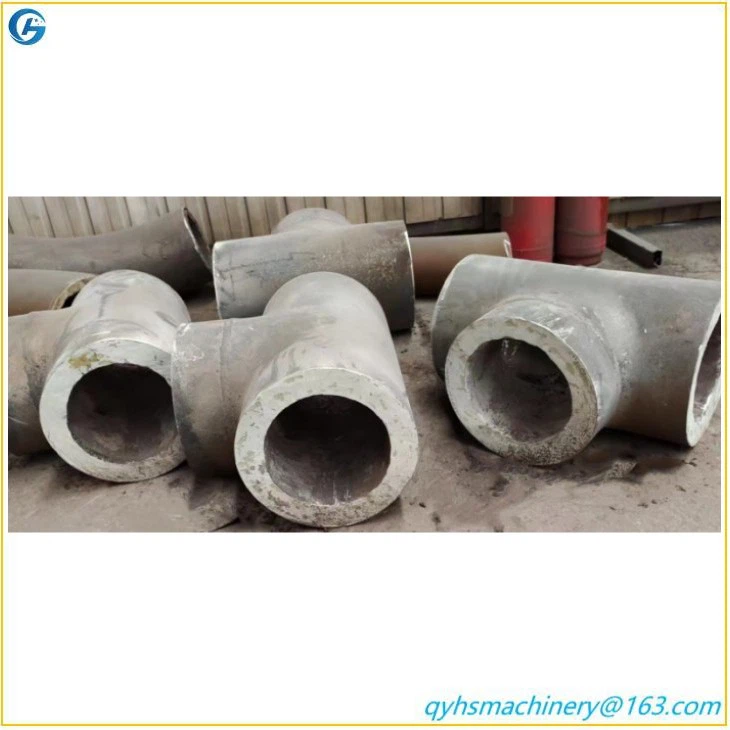
So, why does all this matter? Well, if you're in an industry that relies on pipes, like mining, power generation, or chemical processing, choosing the right Pipe Centre Liner with an appropriate water absorption rate is essential. A liner with a high water absorption rate can lead to increased maintenance costs, as you might have to replace it more frequently due to damage caused by water. It can also affect the efficiency of your operations, as a damaged liner might not perform as well in transporting materials through the pipes.
As a supplier, I've seen firsthand the importance of providing customers with liners that have the right water absorption characteristics. That's why we carefully select the materials and manufacturing processes for our Pipe Centre Liners to ensure they meet the specific needs of our customers. Whether you're dealing with abrasive materials or a wet environment, we have a liner that can fit the bill.
If you're in the market for Pipe Centre Liners, don't hesitate to reach out. We can help you choose the best liner for your application based on factors like water absorption rate, wear resistance, and cost - effectiveness. We understand that every project is unique, and we're committed to providing you with the best solutions.
In conclusion, the water absorption rate of a Pipe Centre Liner is a key factor that can't be ignored. It's influenced by the material, manufacturing process, and the environment of use. By understanding these factors and choosing the right liner, you can ensure the long - term performance and reliability of your pipes. So, if you have any questions or need more information about our Pipe Centre Liners, feel free to get in touch. Let's have a chat and find the perfect solution for your piping needs.
References
- Standard testing methods for water absorption of pipe materials
- Technical literature on high - chromium steel and cast iron properties