

Hey there! As a supplier of Chain Grate Bars, I've seen my fair share of issues with vibration. It's a common problem that can cause all sorts of headaches, from increased wear and tear on the grate bars to reduced efficiency in the boiler system. In this blog post, I'm gonna share some tips on how to reduce the vibration of chain grate bars.
Understanding the Causes of Vibration
Before we can start talking about solutions, it's important to understand what causes the vibration in the first place. There are several factors that can contribute to vibration in chain grate bars, including:
- Uneven Loading: If the fuel is not distributed evenly across the grate bars, it can cause uneven forces to be applied, leading to vibration.
- Worn or Damaged Grate Bars: Over time, the grate bars can wear down or become damaged, which can cause them to vibrate more than normal.
- Loose or Misaligned Components: If the chain grate system is not properly installed or maintained, it can lead to loose or misaligned components, which can cause vibration.
- Incorrect Chain Tension: If the chain tension is too loose or too tight, it can cause the grate bars to vibrate.
Tips for Reducing Vibration
Now that we understand the causes of vibration, let's talk about some tips for reducing it.
1. Ensure Even Fuel Distribution
One of the most important things you can do to reduce vibration is to ensure that the fuel is distributed evenly across the grate bars. This can be achieved by using a proper fuel feeding system and by regularly checking and adjusting the fuel flow. Make sure that the fuel is spread out evenly and that there are no clumps or piles.
2. Inspect and Replace Worn Grate Bars
Regularly inspect the grate bars for wear and damage. If you notice any signs of wear, such as cracks, chips, or excessive thinning, it's important to replace the grate bars as soon as possible. Worn grate bars can cause uneven forces and increase the likelihood of vibration. You can check out our Precision Cast Heat-resistant Steel Castings 1.4855 for high - quality replacement options.
3. Check and Tighten Components
Periodically check all the components of the chain grate system, including the chains, sprockets, and bearings. Make sure that all the bolts and nuts are tightened properly and that there are no loose or misaligned parts. Loose components can cause vibration and can also lead to more serious problems down the line.
4. Adjust Chain Tension
Proper chain tension is crucial for reducing vibration. If the chain is too loose, it can cause the grate bars to move around and vibrate. If it's too tight, it can put excessive stress on the components and also cause vibration. Use a tension gauge to measure the chain tension and adjust it according to the manufacturer's specifications.
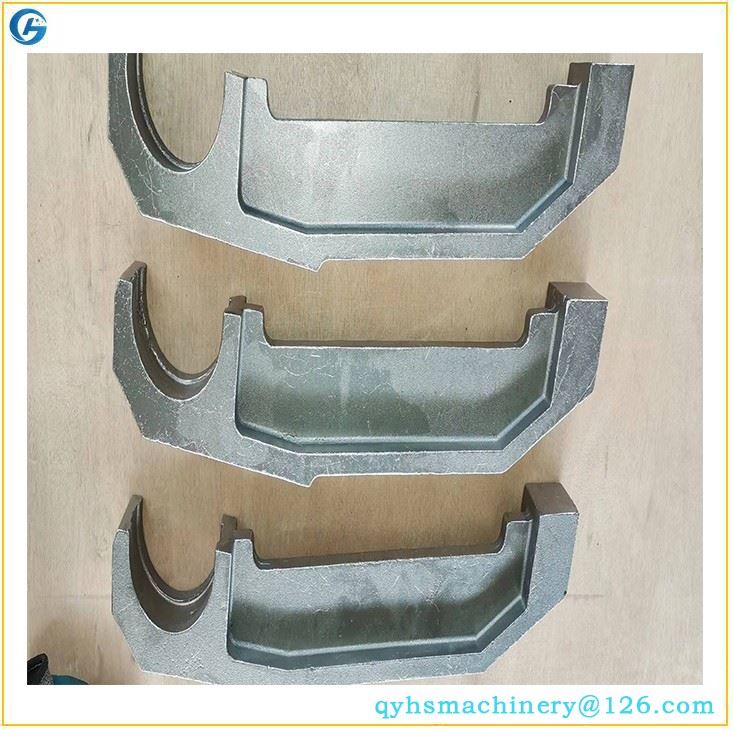

5. Use Anti - Vibration Mounts
In some cases, using anti - vibration mounts can help reduce the transmission of vibration from the chain grate system to the surrounding structure. These mounts can absorb some of the shock and vibration, making the system run more smoothly.
6. Optimize Boiler Operation
The way you operate the boiler can also have an impact on the vibration of the chain grate bars. Make sure that the boiler is operating at the correct temperature and pressure. Avoid sudden changes in load or operating conditions, as these can cause the grate bars to vibrate.
The Role of High - Quality Grate Bars
Investing in high - quality grate bars can also go a long way in reducing vibration. Our company offers a wide range of grate bars that are designed to be durable and resistant to wear. For example, our Reciprocating Grate and Reciprocating Grate For Biomass Boiler are made from high - grade materials that can withstand the harsh conditions of boiler operation. These grate bars are precision - engineered to ensure a smooth and stable operation, which can help reduce vibration.
Conclusion
Reducing the vibration of chain grate bars is essential for the efficient and reliable operation of your boiler system. By following the tips outlined in this blog post, such as ensuring even fuel distribution, inspecting and replacing worn grate bars, checking and tightening components, adjusting chain tension, using anti - vibration mounts, and optimizing boiler operation, you can significantly reduce the vibration and extend the lifespan of your chain grate system.
If you're facing issues with chain grate bar vibration or if you're looking for high - quality grate bars for your boiler, don't hesitate to get in touch with us. We're here to help you find the best solutions for your needs. Whether you need advice on installation, maintenance, or replacement, our team of experts is ready to assist you. Reach out to us today and let's start a conversation about how we can improve your boiler's performance.
References
- Boiler Operation Manuals
- Industry Standards for Chain Grate Systems
- Technical Papers on Grate Bar Vibration and Reduction


